
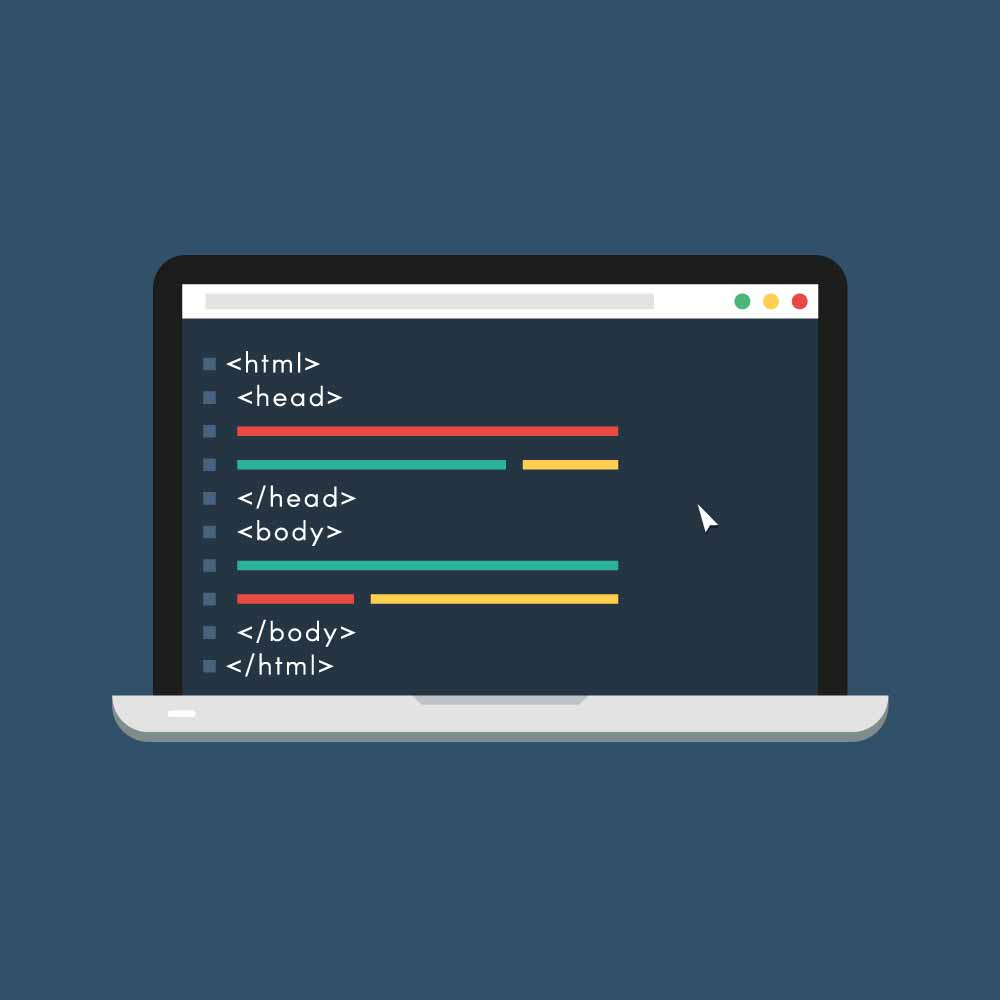
In a new series of blog articles, we take a look at Search Engine Optimisation (SEO) for beginners to keep you up to date with the ever changing digital world. In this blog we tackle some of the HTML factors that impact SEO.
HTML stands for Hypertext Markup Language and is a standardised systems for tagging text files to achieve font, colour, graphic and hyperlink effects on the web.
The purpose of HTML is a standard of describing the structure and presentation of information via the internet. So how does this link to SEO and why is it an important factor?
HTML title tag
A HTML title tag is a section of HTML code that every website page should have.
Tag titles are displayed on search engine results pages as a headline which users can click on to get through to the correct web page. It’s also good for sharing on other online platforms such as social media.
A HTML code for a web page is what makes the title unique – basically making it stand out to audiences who search keywords related to your website on search engines.
To get this right make sure you think about what each page will be found online for – this is where knowing the popularity of your keywords will come in handy. Try using Google Trends, Google Search Console or Keywords Everywhere to look up your keywords to ensure you are targeting at the right audiences. A lot of these tools are free and easy to use so it’s worth investing the time to get it right.
Meta descriptions
Meta descriptions are how you would like your website pages to be described in listings from search engines.
The best way we can describe a meta description is to refer to the blurb on the back of a book – a meta description allows you to briefly explain what your page is about so that searchers can identify if it is something they can relate to or will be useful to them.
Although, having a meta description doesn’t guarantee your ‘blurb’ will be used. Some search engines create different descriptions based on what they believe to be most relevant for a particular answer.
Lead tags
Lead tags – also known as ‘header tags’ are what website users/ audiences see at the top on the web page. HTML code uses these header codes to make a tag which is frequently called a ‘H1’ tag.
The header tag will usually be the title of a post or text on a website page and is usually taken from the largest amount of text that stands out.
Other headings can be used too and are classed as H2, H3, H4 and so on. Any headings after the H1 tag are classed as sub headings and will still be taken into consideration when appearing in search results.
Having these tags will ensure you are using targeted keywords which closely relate to the page title and are relevant to your content.
If you want to know more about how SEO and Google Search Console can help you and your business, get in touch here. We are also currently offering free SEO Health Checks. Click the link to get yours.
